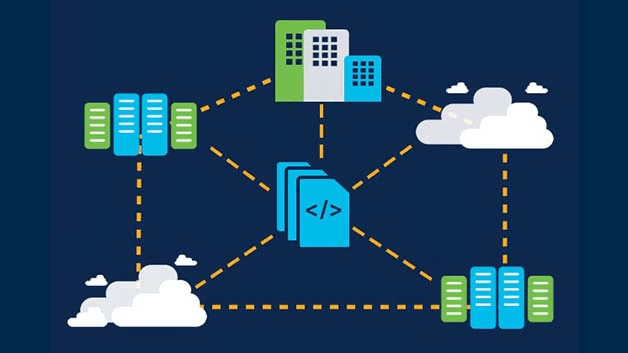
AWS CloudFormation is an Infrastructure as Code (IaC) service, not an "image" or an alternative to IaC; it's the tool you use to define, provision, and manage your AWS cloud resources (like EC2 instances, databases, VPCs) using declarative templates (YAML/JSON) as code, enabling automation, consistency, and version control for your infrastructure. It's your blueprint (the code) and the engine (the service) that builds your AWS environment (the stack).
SQL (Structured Query Language) is a fundamental and dominant language in data engineering, used for everything from data extraction and transformation (ETL) to performance optimization and data modeling. Data engineers require an advanced level of SQL proficiency to manage data effectively across various relational databases and big data systems.
Python is a primary language for data engineering due to its simplicity, extensive ecosystem of libraries, and strong community support. Data engineers use Python for various tasks, including building and maintaining data architectures, processing large datasets, and automating workflows.
Data engineers require an advanced level of SQL proficiency for daily tasks. Key areas and commands

PySpark is a core technology for data engineers, used to manage and process massive datasets across a distributed cluster of machines. It combines the power of the Python programming language with the speed and scalability of Apache Spark, making it an essential tool for building robust and efficient data pipelines.
Cloud for Data Engineers using platforms like AWS, Azure, and GCP to build, manage, and scale data pipelines, warehouses (BigQuery, Redshift), and analytics tools (Dataflow, EMR, Azure Data Factory) for processing large datasets, enabling real-time insights, and supporting business intelligence, focusing on scalable infrastructure for ETL/ELT, storage (S3, ADLS), and data governance. Key skills involve mastering services for storage, compute, orchestration (Composer), and streaming, leveraging the cloud's agility for modern data architectures.

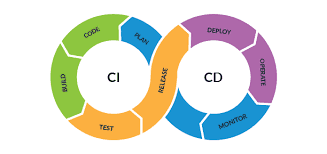
CI/CD in data engineering automates the building, testing, and deployment of data pipelines and code, using Continuous Integration (frequent code merges with automated checks) and Continuous Delivery/Deployment (automated release to testing/production) to speed up reliable delivery, catch errors early, and manage complex data workflows with less manual work. It brings software engineering discipline to data projects, handling schema changes, data quality, and dependencies for faster, more reliable data products.

AWS CloudFormation is an Infrastructure as Code (IaC) service, not an "image" or an alternative to IaC; it's the tool you use to define, provision, and manage your AWS cloud resources (like EC2 instances, databases, VPCs) using declarative templates (YAML/JSON) as code, enabling automation, consistency, and version control for your infrastructure. It's your blueprint (the code) and the engine (the service) that builds your AWS environment (the stack).
SQL (Structured Query Language) is a fundamental and dominant language in data engineering, used for everything from data extraction and transformation (ETL) to performance optimization and data modeling. Data engineers require an advanced level of SQL proficiency to manage data effectively across various relational databases and big data systems.
Python is a primary language for data engineering due to its simplicity, extensive ecosystem of libraries, and strong community support. Data engineers use Python for various tasks, including building and maintaining data architectures, processing large datasets, and automating workflows.
Data engineers require an advanced level of SQL proficiency for daily tasks. Key areas and commands

PySpark is a core technology for data engineers, used to manage and process massive datasets across a distributed cluster of machines. It combines the power of the Python programming language with the speed and scalability of Apache Spark, making it an essential tool for building robust and efficient data pipelines.
Cloud for Data Engineers using platforms like AWS, Azure, and GCP to build, manage, and scale data pipelines, warehouses (BigQuery, Redshift), and analytics tools (Dataflow, EMR, Azure Data Factory) for processing large datasets, enabling real-time insights, and supporting business intelligence, focusing on scalable infrastructure for ETL/ELT, storage (S3, ADLS), and data governance. Key skills involve mastering services for storage, compute, orchestration (Composer), and streaming, leveraging the cloud's agility for modern data architectures.

CI/CD in data engineering automates the building, testing, and deployment of data pipelines and code, using Continuous Integration (frequent code merges with automated checks) and Continuous Delivery/Deployment (automated release to testing/production) to speed up reliable delivery, catch errors early, and manage complex data workflows with less manual work. It brings software engineering discipline to data projects, handling schema changes, data quality, and dependencies for faster, more reliable data products.

AWS CloudFormation is an Infrastructure as Code (IaC) service, not an "image" or an alternative to IaC; it's the tool you use to define, provision, and manage your AWS cloud resources (like EC2 instances, databases, VPCs) using declarative templates (YAML/JSON) as code, enabling automation, consistency, and version control for your infrastructure. It's your blueprint (the code) and the engine (the service) that builds your AWS environment (the stack).
At TechVista Academy, we believe in transforming careers through quality education and practical experience. Our mission is to bridge the gap between academic learning and industry requirements. With expert instructors from top tech companies, comprehensive curriculum, and dedicated placement support, we ensure every student is equipped with the skills and confidence to excel in their data engineering career.